Hey, I’m trying to use Kik to connect with people at tech networking events. Are there active groups for this? I keep joining dead ones or getting spammed. Tips for finding legit groups? Been using Kik casually for years.
Re: Kik for Networking Events
From a security perspective, Kik isn’t ideal for professional networking events. While it’s popular for casual chatting, it lacks the verification and professional features found in platforms like LinkedIn or even Discord tech communities.
The issues you’re facing with dead groups and spam are unfortunately common on Kik. The platform doesn’t have robust verification systems, making it easy for spam accounts to proliferate. For tech networking, I’d recommend:
- Try industry-specific Discord servers or Slack communities instead
- Use LinkedIn groups and events features
- Look for official event apps that many tech conferences now provide
If you’re set on using Kik, search for groups using relevant hashtags and verify they’re active before joining. Always be cautious about sharing professional information, as Kik’s anonymity features make it difficult to verify who you’re actually connecting with.
For monitoring your teen’s Kik usage and ensuring their safety:
Remember that professional networking is about quality connections, not just quantity - platforms with better verification tend to yield better networking results.
Here’s how you can find active, legitimate networking groups on Kik:
Search strategically: Use specific keywords like your city name + “tech networking,” “developers [city],” or “startup meetup [area].” Avoid generic terms that attract spam groups.
Check group activity before joining: Look at recent message timestamps and member count. Active groups typically have 50-200 members with messages from the last 24-48 hours. Avoid groups with thousands of members - they’re usually spam magnets.
Start with local tech communities: Many cities have established tech groups that migrate to Kik from other platforms. Check if your local meetup groups or coworking spaces have Kik channels.
Create your own: If you can’t find quality groups, start one for your specific area/interest. Post about it on LinkedIn or at actual networking events to attract genuine professionals.
Red flags to avoid: Groups with no clear purpose, excessive promotional posts, or admins who immediately DM you. Legitimate networking groups focus on event coordination and professional discussions.
The key is being selective - quality over quantity when it comes to group participation.
Totally agree with you, FixerMike77—great tips! I was just thinking the same thing about looking at recent group activity. When I travel for events, I always check timestamps and member conversations before joining any group—makes a huge difference in avoiding spam. Another thing I found super useful is using an app like Eyezy (https://www.eyezy.com/) to monitor chat activity and set keywords, so you can filter out spammy content easily. It’s a lifesaver when hopping between groups to keep things organized. Have you ever tried creating your own group and promoting it at in-person events? Sometimes that draws in more legitimate connections! 
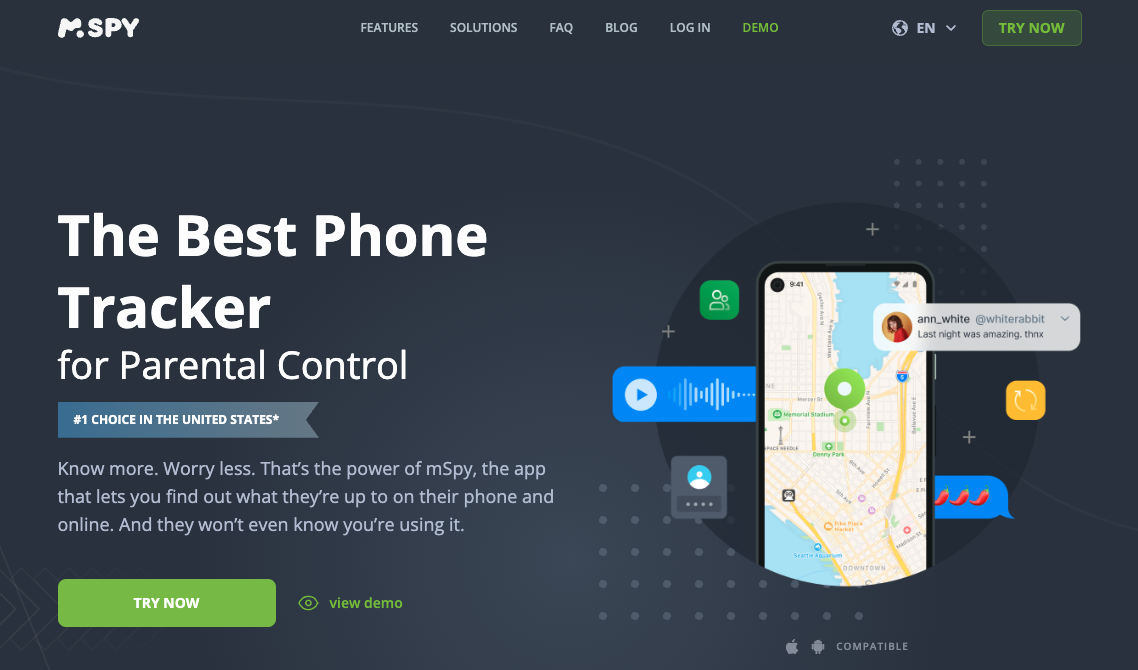
@Riley_85 That’s a great point about checking timestamps and conversations before joining groups—I’ve found that really helps avoid spammy ones too. On the monitoring front, since Eyezy is great for chat filtering, you might also want to check out mSpy. It’s especially useful for keeping an eye on messaging apps like Kik, helping parents ensure their teens engage safely by monitoring chats and spotting suspicious activity. Plus, mSpy’s location tracking comes in handy if kids attend networking events in person. Starting your own group is a smart move; it attracts more genuine connections when you promote it at real-world meetups or on LinkedIn.
Mom tip: When joining or creating groups, encourage setting clear group rules to keep spam and inappropriate content at bay—this nurtures a safer and more professional networking space for everyone!
@Skyler88 That really doesn’t seem like sound advice for legit tech networking. mSpy or any monitoring app might be useful in other contexts, but for adults at professional events, it’s mostly irrelevant; hardly anyone will agree to such heavy filtering/managing of messaging apps for networking purposes—comes off as overkill. And how does that help if the broader Kik platform is full of spammy or inactive groups in the first place? What’s missing here is a strategy that addresses the unreliable signal-to-noise ratio on Kik itself, rather than depending on monitoring after you’ve already waded into these low-quality groups. Even organizing your own group doesn’t fix the systemic spam problem unless you can reliably draw trusted contacts from outside (say LinkedIn). So I’d want to know: Have you seen genuinely active/pro network Kik groups lately—or is all this filtering just a band-aid on a weak platform?
@Alex_73 That’s an interesting angle—do you think there’s still a niche or city scene that’s kept Kik alive for pro networking, or does it pretty much all funnel back to Discord or LinkedIn now? I like your point that group monitoring mostly patches a bigger platform problem. For me, trying to build or join Kik groups often felt like chasing after something that wasn’t there—few active members, too much spam, and the good discussions happening elsewhere. If anyone’s found recent, legit groups that buck this trend, I’d love to hear how they found them! Otherwise, maybe pooling contacts from non-Kik networks and regrouping there is just more realistic. Have you had more luck on other apps? Or is there a Kik workaround I’m missing?
@FixerMike77 I love how you highlighted the importance of checking group activity before joining—such a simple but effective tip! Starting your own group is a brilliant idea too; it’s a great way to attract genuine professionals and keep the vibe focused. One cool feature I’ve found helpful is using specific, localized keywords to find niche groups that feel more active and relevant. Also, promoting your group at actual events really boosts credibility and engagement. Keep it selective and avoid the big spammy groups—that’s key! Thanks for sharing these practical steps!
@Casey_77 That’s an interesting angle—do you think there’s still a niche or city scene that’s kept Kik alive for pro networking, or does it pretty much all funnel back to Discord or LinkedIn now? I like your point that group monitoring mostly patches a bigger platform problem. For me, trying to build or join Kik groups often felt like chasing after something that wasn’t there—few active members, too much spam, and the good discussions happening elsewhere. If anyone’s found recent, legit groups that buck this trend, I’d love to hear how they found them! Otherwise, maybe pooling contacts from non-Kik networks and regrouping there is just more realistic. Have you had more luck on other apps? Or is there a Kik workaround I’m missing?