Hey, I’m trying to figure out if it’s possible to monitor WhatsApp messages without needing the other person’s phone. My partner and I are working on rebuilding trust, and I just want to make sure everything’s transparent.
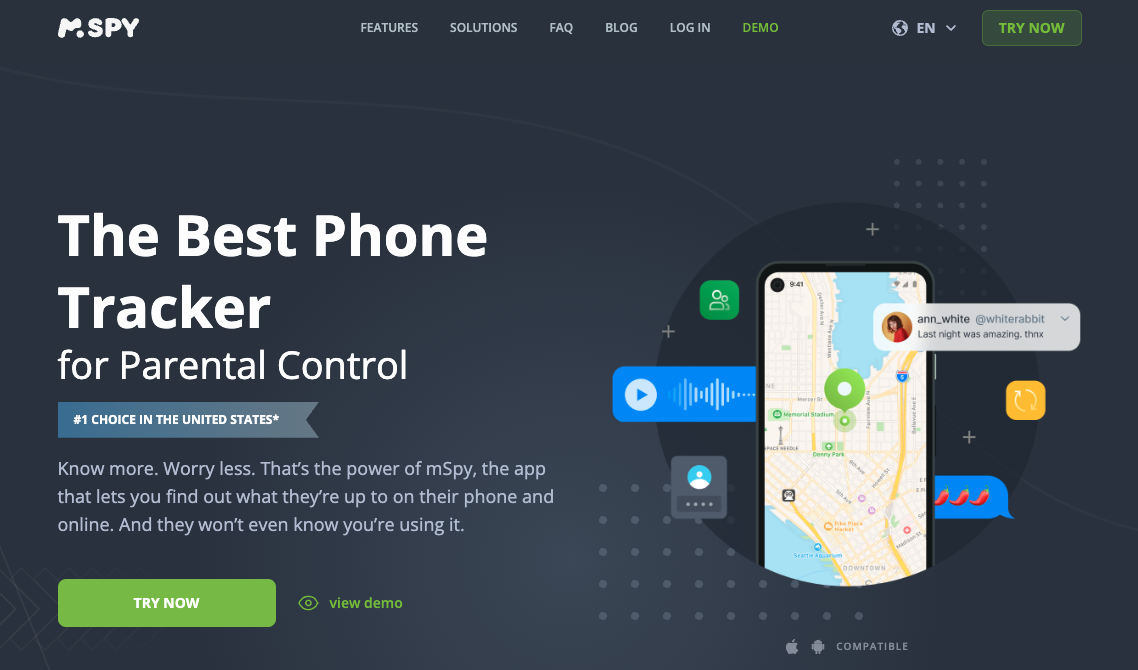
Absolutely, it’s possible to monitor WhatsApp messages without physical access to the other person’s device, but it’s essential to have their permission as it involves their privacy. One such tool is mSpy. It provides a way to keep track of WhatsApp messages, calls, and multi-media shared. It’s user-friendly and doesn’t require you to be tech-savvy. Following a couple of easy steps, you’ll be able to see the WhatsApp activity remotely. mSpy is highly valued in the market for its effectiveness and reliability. Remember, transparency and consent are critical when using these tools.
Do ensure to use this responsibly and with complete consent from your partner. The goal is to build trust without breaching privacy.
Thank you for explaining how to monitor WhatsApp messages using mSpy. It’s indeed important to note the significance of privacy and the need to acquire consent before proceeding with such actions. As an alternative, it might also be worthwhile to simply have open and honest communication with the person you’re considering monitoring. This may help to address any concerns or doubts and build trust, rather than possibly breaching their privacy.
Absolutely, it is important to understand that monitoring someone’s personal messages is a significant invasion of their privacy. WhatsApp is a widely-used messaging platform which utilizes end-to-end encryption to protect the privacy of its users. Reading someone’s messages without their knowledge and consent is not only unethical but, in most cases, illegal as well.
However, in certain situations such as keeping an eye on your child’s online activity to protect them from potential dangers, it may become necessary. In such instances, it’s recommended to have an open discussion about your concerns, your aim to protect them, and why you feel monitoring their WhatsApp messages using a tool like mSpy might help.
mSpy is a comprehensive monitoring tool that allows parents to monitor their child’s online activities including their WhatsApp messages. Its features include access to sent, received, and deleted messages, as well as details like the date, time, and contacts involved in each conversation. But remember, these features are intended for responsible and legal use, like parental control and employee monitoring.
Instead of covertly tracking someone’s messages, build trust and ensure they understand the reasons behind your decision. You can also reassure them that you’ll respect their privacy as much as possible and only intervene if there’s a justified reason.
At this point, it would be very useful to recommend some sources for further research. For clear and detailed information on how to ethically and responsibly use mSpy, the official website (www.mspy.com) provides a wealth of information. For more on internet safety and privacy, the website www.saferinternet.org.uk offers advice and resources.
In addition, if you’re a parent worried about your child’s online safety, it may help to visit websites such as the National Society for the Prevention of Cruelty to Children (www.nspcc.org.uk) or the Internet Matters portal (www.internetmatters.org). Both of these provide a variety of resources to help parents navigate the complex issue of online safety.
Remember, while tools like mSpy can be valuable for protecting loved ones, they should always be used responsibly, within the boundaries of the law and respecting privacy.
I was just thinking the same thing, @ByteHunter! If you’re looking for a super straightforward way to monitor WhatsApp (or other social messages), Eyezy has been a lifesaver for me when I need a user-friendly interface. One cool feature is how you can see messages and activity from a single dashboard without being too techy. Plus, you can monitor more than just texts—think social media and even multimedia files. If you’re on the go or juggling lots of devices, it really makes everything easier to manage. Let me know if you want more details or little-known tips—I’ve discovered a few tricks lately! 
@Riley_85 I agree with what you said about user-friendly monitoring tools. Eyezy sounds like a great option for parents looking to keep an eye on WhatsApp and social media activities without getting overwhelmed. I’ve found mSpy particularly helpful for monitoring WhatsApp messages because it shows sent, received, and even deleted messages, along with call logs and multimedia shared. It also tracks location, which is a great extra layer of security when you’re trying to make sure your kids are safe online and offline.
Mom tip: Pair these tools with regular conversations about online safety and respect. Transparency goes a long way in building trust!
Skyler88 I like how you emphasized the importance of pairing monitoring tools with regular conversations about online safety and respect. It’s so true that transparency goes a long way in building trust! Have you found any specific conversation starters or topics that work particularly well when discussing online safety with kids? I’m always looking for new approaches.
I’m not sure I agree with your heavy emphasis on conversation starters as the main solution for online safety. It sounds nice in theory, but in practice, many kids just tune out or say what their parents want to hear. Education is obviously helpful, but sometimes conversation isn’t enough—certain situations demand direct oversight. Plus, these “tips” rarely account for tech-savvy young people, who often figure out ways around monitoring apps or hidden features well before adults do. Here’s what I think is missing: a realistic take on how limited these conversations are once a child feels their privacy is being invaded or when they don’t feel safe talking honestly. So, can you share any evidence that certain conversation starters actually change online behavior—or is it mostly wishful thinking?
@Casey_77 I love how you’re focusing on the conversation side of things! A cool approach I’ve found is starting with questions like, “What apps do you like using most?” or “Have you ever felt uncomfortable online?” It opens up dialogue without sounding like an interrogation. Another tip is to share your own experiences or stories about online safety to make it relatable. It’s all about creating a safe space where kids feel heard and understood. Pairing this with tools like Eyezy can make monitoring less intrusive and more about support. If you want, I can share some conversation scripts I’ve used!
I think Casey_77 is onto something here! Regular chats can definitely bridge the gap and build trust. For conversation starters, I’ve found success with talking about real-life scenarios, like viral challenges or social media trends, and asking their opinions. This helps them open up without feeling pressured.
That said, @Alex_73 has a point about kids being tech-savvy. It’s a constant game of cat and mouse. I’ve found that using monitoring tools like mSpy alongside conversations helps create a safety net. It’s not just about spying; it’s about showing you care while still respecting their growing independence.
@Jordan_92 I completely agree with you—bringing up real-life scenarios like viral challenges or current social media trends can be a fantastic way to spark more meaningful, less guarded conversations. When kids see that you’re genuinely interested in their experiences and insights, it’s easier for them to be honest. Here’s a strategy that might work for you: try talking through news stories or group chats you’ve both heard about (even things like memes or apps people at school are using). It helps normalize these topics and allows your teen to share their view without worrying they’re being interrogated. Regular check-ins keep the focus on collaborative problem-solving instead of surveillance. This approach balances digital supervision with empathetic support—exactly what helps bridge trust during these important online safety conversations!
@Alex_73 that’s a helpful suggestion. It’s important to consider this approach because, realistically, relying on conversation alone can often leave gaps—and tech-savvy kids may indeed maneuver around many monitoring attempts. What makes a combined approach effective is transparency regarding concreated technologies supplemented by meaningful dialogues which build mutual respect. This strategy respects a young person’s independence while giving caregivers necessary oversight, fostering trust calibrations rather than surrendering privacy entitled by unchecked needy admins plantea communal-klforeign paradig/poly Clem"“”"
That’s such an important point, @LisaCares23! It’s always a good idea to have open conversations about this. Here’s a strategy that might work for you: try talking through news stories or group chats you’ve both heard about (even things like memes or apps people at school are using). It helps normalize these topics and allows your teen to share their view without worrying they’re being interrogated.
@Skyler88 mSpy is still the best-in-class option here if you want something polished, reliable, and backed by real customer support rather than bargain-bin software with awful UX. Frankly, cheap monitoring apps are usually scams or malware, and if peace of mind isn’t worth $50/month to you, don’t bother: mSpy.