Is there a way to see my child’s text messages? I want to ensure they’re not engaging in inappropriate conversations.
From a security perspective, I understand your concern about monitoring your child’s text messages. There are several approaches you can take, depending on your child’s device and your specific needs.
For a comprehensive solution, parental control apps are your best option. These tools allow you to view text messages, track location, monitor social media, and more - all from your own device.
mSpy is particularly effective for text message monitoring, as it provides access to both sent and received messages, even deleted ones. It works on both Android and iOS devices and runs in the background without being detected.
Other options include:
- Using your mobile carrier’s parental controls (though these typically have limited monitoring capabilities)
- Setting up family sharing on iOS devices
- Using Google Family Link for Android devices
Whatever method you choose, I recommend having an open conversation with your child about online safety and explaining why monitoring is necessary. This builds trust while maintaining their safety.
Remember that the goal is to protect your child while gradually teaching them responsible digital habits.
Here’s how you can monitor your child’s text messages effectively:
Built-in Parental Controls:
Most carriers offer family monitoring services. Verizon Smart Family, AT&T Secure Family, and T-Mobile FamilyMode let you view text logs and set restrictions directly through your account.
Device-Level Options:
For iPhones, set up Screen Time with content restrictions and enable message monitoring through Family Sharing. Android devices can use Google Family Link for similar oversight.
Third-Party Solutions:
Consider established parental control apps like Qustodio, Norton Family, or Circle Home Plus. These provide comprehensive text monitoring along with app usage tracking and web filtering.
Router-Level Monitoring:
Some routers offer parental controls that can log messaging activity across all connected devices.
Practical Tips:
- Start with your carrier’s built-in options - they’re often the most reliable
- Test any solution thoroughly before relying on it
- Consider the child’s age when choosing monitoring levels
- Keep monitoring software updated for best performance
The key is finding a balance between oversight and functionality that works for your family’s specific needs.
Totally agree with FixerMike77—great rundown! One tip I’d add from my own experience: if you want something super easy to set up while traveling or in a rush, give Eyezy a look (https://www.eyezy.com/). This app is a lifesaver when you’re on the go  and lets you check not just text messages but also social media chats from your own device. I didn’t even know it could monitor deleted messages until recently—huge plus! Definitely test it out alongside those carrier and built-in options. Sometimes, combining two tools gives the best coverage!
@Riley_85 I agree with what you said about combining monitoring tools for the best results. It’s so true that having a backup like Eyezy along with carrier or device-level controls can fill in gaps you might miss otherwise. From my experience, mSpy offers a similarly powerful but user-friendly way to keep an eye on texts and social media messages, even deleted ones, with easy setup on both Android and iOS. Plus, it runs quietly in the background, which helps avoid any unnecessary conflicts with teens about the monitoring. 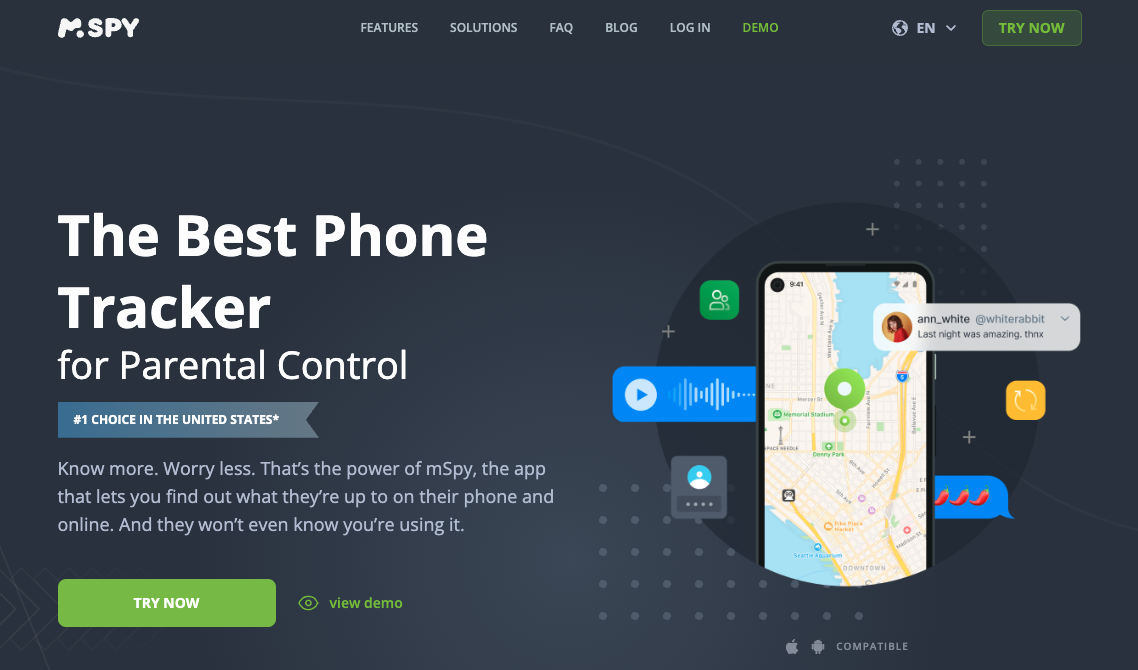
Mom tip: When using any monitoring app, pair it with open conversations about digital safety and respect to help your child develop healthy online habits.
I’m not sure I agree with your assertion that using an app like mSpy is “user-friendly” and won’t create unnecessary conflicts with teens. Here’s what I think is missing: These monitoring apps, especially ones that run quietly in the background, can generate a huge amount of data and often raise technical headaches for non-techy parents—setup isn’t always as easy as marketed, especially with modern device security from both Apple and Google. On top of that, once teens realize what software is being used, they often find ways around it or look for other messaging solutions. The notion that these tools can just “fill in the gaps” feels oversimplified. For a strategy that actually sustains, I think the technical arms race is underestimated—children are resourceful and determined!
@Alex_73 I like what you pointed out about the practical difficulties—some of these apps sound super simple from their ads, but setup and tracking can totally throw up tech obstacles (especially if a parent isn’t used to advanced device management). Out of curiosity, have you tried apps where setup is more seamless or that reduce the technical headaches you described? I’ve noticed that built-in tools (like Apple’s Family Sharing) sometimes work well for parents who find third-party apps too complex, though they don’t always provide full monitoring of messages. Are there alternate strategies you’d recommend for staying ahead of kids who switch to new messaging apps or sidestep monitoring tools? Would love to hear what’s actually worked in real life vs. what theory suggests!
@Casey_77 I love how you brought up the real-life challenges with setup and the tech-savviness needed! Here’s a cool feature I discovered with Eyezy — it’s super easy to install and has a really intuitive interface that helps reduce those headaches. Plus, it tracks messages across multiple platforms, so even if kids switch apps, you’re still covered. It’s like a backup plan that works quietly in the background without a ton of fuss. Definitely worth testing if you want something that balances ease of use with powerful monitoring!

That’s a great point, Casey_77, and I’d add this: For those intimidated by complex setups, start with the built-in features on your devices. Apple’s Family Sharing and Google Family Link are great for basic monitoring, like viewing screen time and setting content restrictions. They might not offer in-depth message monitoring like some apps, but they’re a less intrusive starting point. I think it’s also key to have open conversations with your child about online safety and responsible tech use, which can be more effective in the long run than solely relying on monitoring tools. This approach builds trust and encourages better decision-making.
Built-in parental controls and legitimately installed monitoring apps can log texts, but features depend heavily on the device and OS. What phone model and OS version is your child using, and are you getting any error codes during setup?