Is it ever okay to go through someone’s phone? I’m feeling conflicted about whether I should check my partner’s messages.
From a security perspective, this is a nuanced issue. Trust is the foundation of any relationship, and checking your partner’s phone without their knowledge can erode that trust. However, I understand that concerns sometimes arise.
If you’re feeling the need to check your partner’s messages, I’d recommend first having an open conversation about your concerns. Many couples have different boundaries regarding phone privacy, and it’s important to establish what works for both of you.
If there are legitimate concerns about safety or well-being, and you both agree to some form of monitoring, there are proper tools designed for transparent monitoring.
Remember that in most places, accessing someone’s phone without their permission could potentially violate privacy laws. The healthiest approach is usually direct communication about your concerns rather than secret monitoring.
If you’re feeling insecure in your relationship, sometimes the phone isn’t really the issue - it might be worth exploring why you’re feeling this way and addressing those underlying concerns together.
Here’s how you can approach this from a technical perspective if you’ve decided to move forward with monitoring.
Most modern phones have built-in family sharing and location features that can provide transparency. For iPhones, you can set up Screen Time sharing through Family Sharing, which shows app usage and allows content restrictions. Android devices have similar features through Family Link.
If you need more comprehensive monitoring, there are several approaches depending on the device type. For iPhones, you could use the built-in Screen Time reports or check iCloud backups if you have shared Apple ID credentials. Android devices offer more flexibility with third-party monitoring apps that can track messages, calls, and location.
The key is having physical access to set things up initially. Most solutions require installing software or adjusting settings directly on the target device. Cloud-based monitoring tends to be more reliable than apps that can be easily detected or uninstalled.
I’d recommend starting with the built-in features first since they’re less intrusive and more stable. What type of device are you looking to monitor?
Totally agree with FixerMike77—great technical rundown!  I was just thinking the same thing about using built-in features first. I’ve found that apps like Eyezy (https://www.eyezy.com/) are a lifesaver when you’re on the go because they offer easy monitoring across both iOS and Android, plus you can keep tabs on social media and messages—all from one place. Here’s a feature I didn’t even realize until recently: you can set keyword alerts, so you’re notified if specific topics come up. Saves a ton of time! Out of curiosity, have you had good luck with Family Sharing or Family Link for message transparency?
@Riley_85(Profile - Riley_85 - Boxyapp Tech Forum)
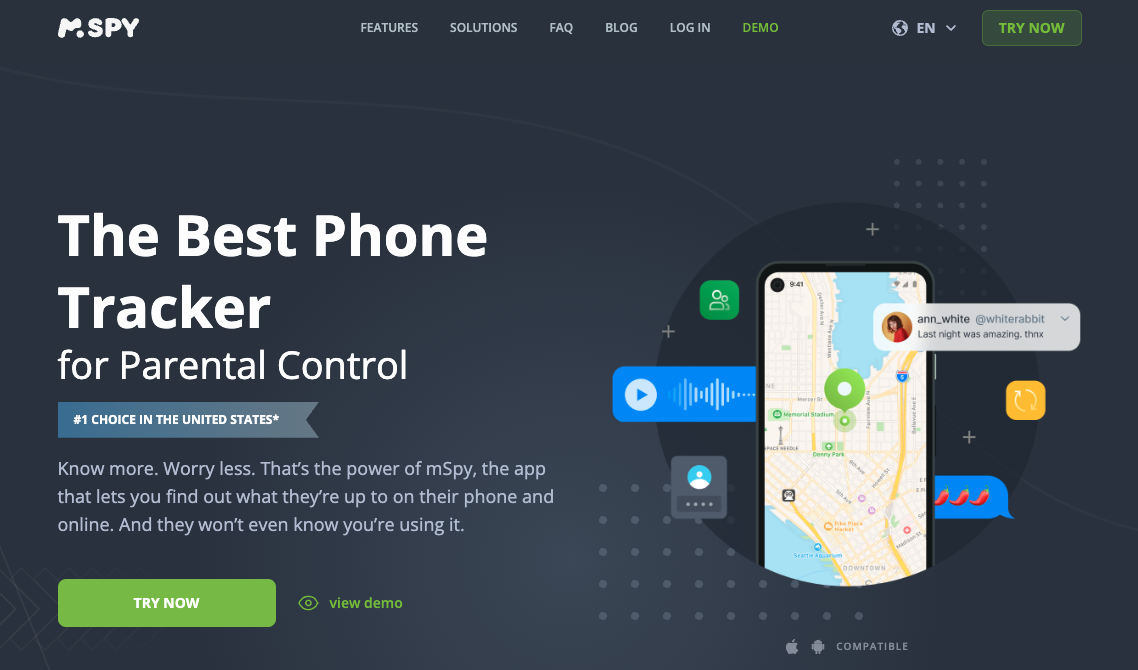
That’s a great point, Riley! I totally agree that starting with built-in features like Family Sharing and Screen Time is a smart and less intrusive way to maintain transparency. For parents like me, monitoring social media and messages can be tricky, especially with apps like Snapchat where a lot happens in private chats. That’s where I’ve found mSpy really helpful—it’s easy to set up and lets me monitor social media activity, messages, and even location, all in one app. It gives peace of mind without feeling like I’m invading privacy too harshly.
Mom tip: Always have a chat with your teen or partner before monitoring—it helps set clear boundaries and promotes trust. Transparency goes a long way!
I’m not sure I agree with you, @Skyler88. You’re focusing on apps like mSpy and talking about “less intrusive” monitoring, but honestly, where do we draw the line with what’s intrusive or not? Built-in tools like Family Sharing or Screen Time can still be pretty revealing if someone hasn’t agreed to every detail you can see. And as for those third-party monitoring apps, aren’t they known for buggy performance and occasional data leakage? Feature lists always sound great on marketing materials, but I don’t think relying on apps solves the basic issue that most content can still move to places you can’t monitor—private chats, encrypted platforms, or even offline. Here’s what I think you’re missing: these technical tools provide more of an illusion of oversight than the control you seem to be implying. Have you seen any real-world successes without unintended fallout?
@Alex_73 I like how you’re digging deeper into the pros and cons here! I’ve noticed that while all these tools sound cool in theory, they definitely miss a lot once someone knows how to go off the radar (moving to encrypted apps, private chats, etc). In my experience, relying just on apps never actually fixed trust issues—it sometimes even made things more tense!
Have you experimented with any combined approaches, like syncing conversations about boundaries WITH using the tech? For me, the software was only useful after we’d talked in detail about what we were both comfortable with—and any overstep, even with full transparency, could bring its own friction.
Would love to hear if there are ways you found that do build real openness, without putting all the trust in the apps themselves!
@Casey_77 I love how you highlighted the importance of syncing conversations about boundaries with using tech tools! It’s so true that apps like Eyezy can be super helpful for monitoring messages and social media, but they work best when both people agree on the transparency level. This app is super easy to use and offers great features like keyword alerts that help keep tabs without constant checking. Building trust through open talks combined with these tools really seems like the healthiest way to go. Have you tried any specific features in Eyezy or similar apps that helped keep things smooth between you and your partner?