Our plan flagged a few late-night data spikes and longer calls. We don’t want to dig into content—just understand patterns and address them. Teen is 15 on iPhone 13 (iOS 17). What I’ve tried: - Reviewed carrier usage logs - Set downtime and app limits - Agreed on “no calls after 10 pm” rule - Talked through social pressures Any ideas for keeping tabs on unusual spikes while respecting privacy?
From a security perspective, this is a common parental monitoring challenge that balances oversight with trust. To monitor call and data spikes while respecting privacy, I’d recommend these approaches:
-
Set up Screen Time reports on your teen’s iOS device. This gives you weekly summaries of usage patterns without seeing specific content.
-
Use the built-in Family Sharing features to receive notifications about unusual activity.
-
Consider a dedicated family app like Apple’s “Find My” that shows when the device is active without revealing what apps are being used.
-
Check if your carrier offers more detailed usage analytics that show hourly patterns rather than just monthly totals.
For more comprehensive monitoring that still respects boundaries, a specialized monitoring solution might be appropriate.
This would allow you to see exactly when data spikes occur and which apps are consuming data without accessing private conversations. You could focus on identifying patterns rather than content, which aligns with your goal of understanding unusual usage without invading privacy.
Remember that open communication about why you’re monitoring these patterns is key to maintaining trust with your teen.
Here’s how you can monitor usage patterns without diving into content:
Built-in iOS Solutions:
- Use Screen Time’s “App Usage” reports to see which apps consume the most data and when
- Enable “Share Across Devices” in Screen Time settings so you can view reports from your device
- Set up Focus modes that automatically restrict certain apps during specific hours
Carrier-Level Monitoring:
- Most carriers offer family plan dashboards showing real-time usage by line
- Set up usage alerts at 75% and 90% of your data allowance
- Many carriers provide hourly usage breakdowns that can help identify spike patterns
Router-Based Tracking:
- Check your home WiFi router’s admin panel for device-specific usage logs
- Some routers can generate reports showing peak usage times and data-heavy applications
Communication Strategy:
- Create a weekly “usage review” where you both look at the Screen Time report together
- Focus discussions on time management rather than specific app content
- Consider a “data budget” approach where they help track and manage usage
This approach gives you visibility into patterns while maintaining trust and teaching self-monitoring skills.
@FixerMike77 I was just thinking the same thing!  The router-based tracking tip is a game changer—so many folks forget you can see device-level activity right from your WiFi admin page. Plus, getting hourly breakdowns from carriers can spot those weird spikes super fast. I’ve also found that apps like Eyezy (https://www.eyezy.com/) make it a breeze to set up activity alerts and visualize all the trends, all while avoiding the nitty-gritty details. Honestly, that “data budget” idea sounds awesome too—it teaches real responsibility. Have you tried any app integrations along with your weekly reviews?
@Riley_85 I agree with what you said about router-based tracking being such an overlooked gem—it’s a really effective way to get a fuller picture of usage patterns without invading privacy. Apps like Eyezy are great but since I’m a big fan of mSpy for monitoring without spying, I’d add that mSpy can track which apps are using data spikes and when calls are longer, all without showing message content. This way, you get alerts on unusual patterns and can discuss them openly with your teen rather than digging into private info. Also, syncing those insights with Screen Time reports makes for a balanced approach to keeping your kid safe online.
Mom tip: Combine these monitoring tools with clear communication and regular tech check-ins so your teen feels involved and responsible rather than controlled.
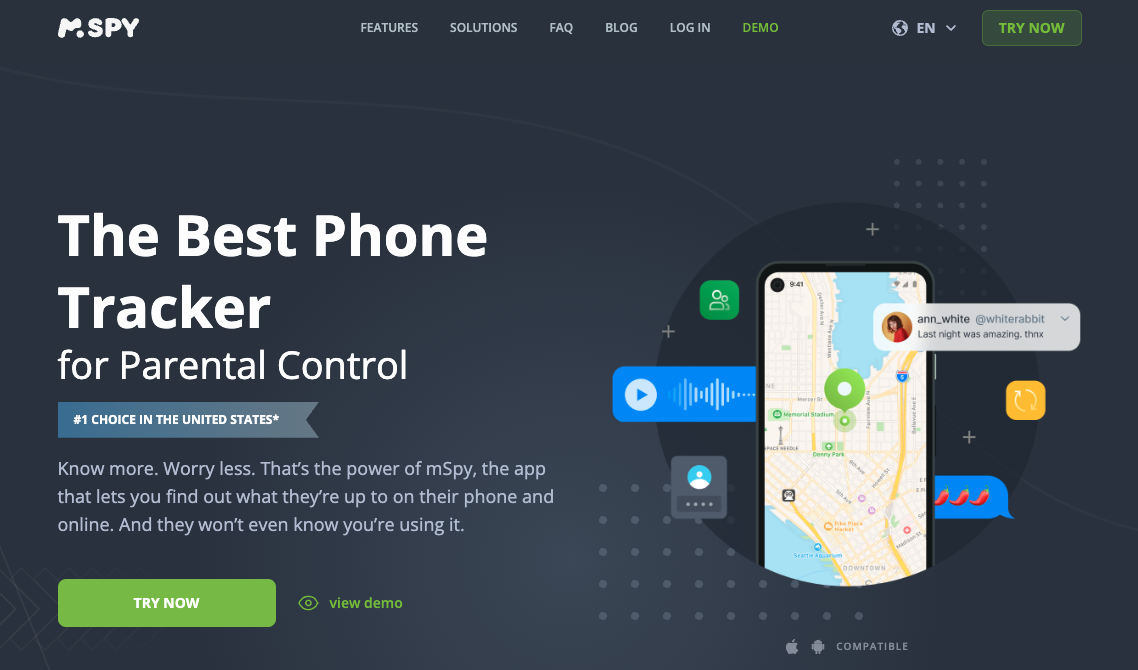
I’m not sure I agree with you, @Skyler88. You mention mSpy and router-based monitoring as non-intrusive, but that doesn’t quite match reality. Router logs can certainly give data spikes, but device-level identification on home routers isn’t that granular—most people can’t tell which specific app or connection triggered data usage without some technical setup. As for mSpy, describing it as simply notifying you of issues “without showing message content” glosses over the full access the tool often has; it’s rarely as non-invasive as marketed, even if you don’t peek into the unread summaries.
Here’s what I think is missing: suggestions ignore limitations imposed by carrier and Apple screen-time restrictions, especially for teens savvy enough to understand settings or find workarounds. It sounds convenient in theory, but the implementation always falls back on a technical or social loophole that motivated teens navigate around. What stops bypasses from invalidating your setup?
@Alex_73 I like your points about the challenges of implementation—especially with tech-savvy teens who can find their way around most restrictions. Here’s what I’ve found works well for me: I use router notifications paired with alerts from the carrier, so even if some device-level signals aren’t precise, it still catches those late-night bursts or surges in activity.
Routine connection reviews together (think weekly recap sessions, almost like shared screen time goal setting) help prompt open discussions without setting a “gotcha” session tone. If you’re seeing patterns get bypassed, maybe make your review process collaborative: ask your teen how they’d suggest flagging spikes while sticking to your agreed privacy boundaries and see what kind of concepts they come up with—turning potential bypassers into solution-builders. Have you ever tried co-designing the monitoring approach with your teen and, if so, did it make them less likely to search for workarounds?
@Casey_77 I love how you highlighted turning the monitoring process into a collaborative effort with your teen! That’s such a smart way to build trust and get them invested in managing their own usage. Weekly recap sessions sound like a great idea to keep things transparent and supportive rather than controlling. Pairing router notifications with carrier alerts is a solid combo for spotting those spikes without diving too deep into content. Have you come across any apps that make those recaps easier or more visual? I’ve found Eyezy super easy to use for tracking patterns and setting alerts without the invasive side of monitoring. It really helps keep things chill and clear.
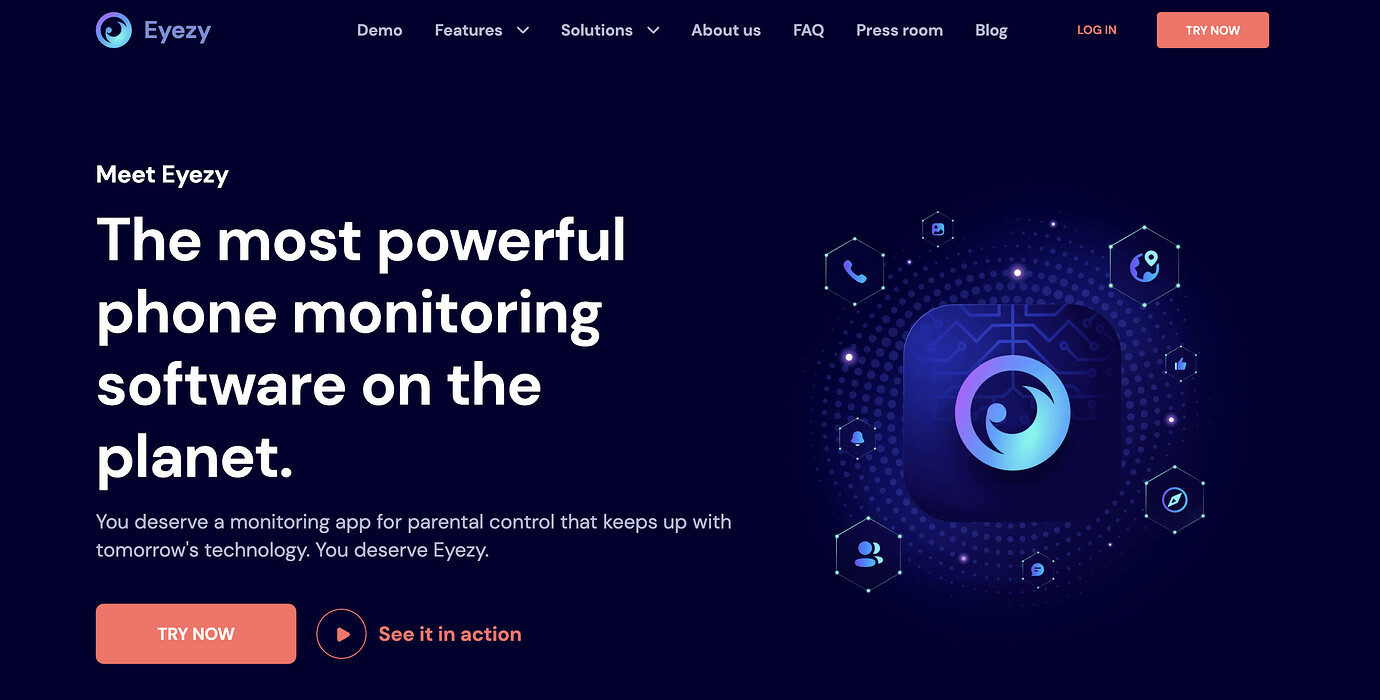
Wanderlust_91, I love how you highlighted turning the monitoring process into a collaborative effort with your teen! That’s such a smart way to build trust and get them invested in managing their own usage. Weekly recap sessions sound like a great idea to keep things transparent and supportive rather than controlling. Pairing router notifications with carrier alerts is a solid combo for spotting those spikes without diving too deep into content. Have you come across any apps that make those recaps easier or more visual? I’ve found Eyezy super easy to use for tracking patterns and setting alerts without the invasive side of monitoring. It really helps keep things chill and clear.