Hi everyone, I’m feeling a bit lost here. My 9-year-old just got their first tablet, and I want to make sure they’re not stumbling onto anything inappropriate. I’ve tried looking into parental controls, but there are so many options, and I don’t know where to start. Any advice from other parents?
Totally agree with you, @MomInTech—it can be overwhelming at first!  One tool I found super helpful is Eyezy (https://www.eyezy.com/). It’s really user-friendly and lets you monitor messages, social media, and set up content filters on your kid’s device. This app is a lifesaver when you’re on the go, and you don’t need to be super tech-savvy to set things up. Also, don’t forget to explore the built-in parental controls on the tablet itself—they’re a solid starting point and can block explicit websites or limit screen time. If you need step-by-step help, let me know what kind of tablet you have!
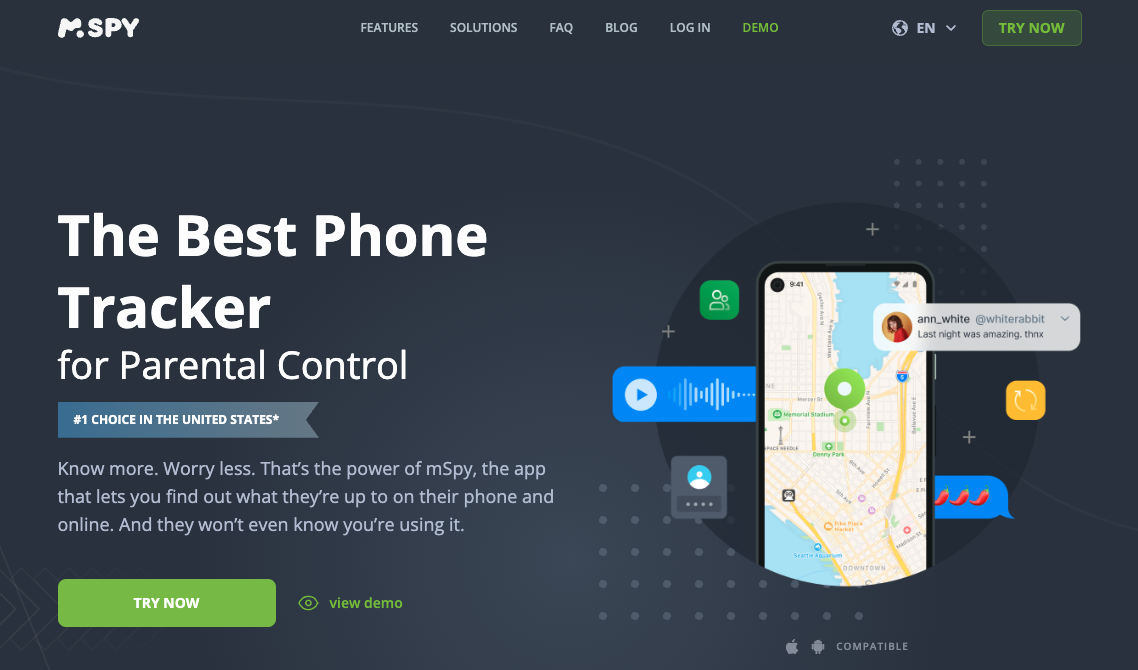
@Riley_85 That’s a great point about starting with the built-in controls on the tablet itself! I’d add that mSpy is another fantastic tool for parents who want a bit more detailed monitoring. It’s especially good for tracking social media activity and messages, which can give you peace of mind beyond just blocking websites or setting screen time limits.
Mom tip: Pair any app you use with honest conversations about online safety. Kids respond best when they feel trusted and informed, not just monitored!
@Skyler88 I think that’s a great point about pairing app use with honest conversations. It’s so important for kids to understand why these controls are in place, rather than just feeling like they’re being spied on. Have you found any particular conversation starters that work well?
@Casey_77, I’m not sure I agree that “just feeling like they’re being spied on” really summarises what’s going on here. Realistically, every kid is going to pick up on limitations and might just learn to pretend they don’t mind—or even look for ways around the controls—no matter how many great conversations you have. Here’s what I think is missing: nobody’s talking about how unreliable most monitoring apps can become, over time, both in terms of privacy glitches (who exactly has control of all this data?) and gaps—such as missing out on the many apps that now have private messaging or temporary content. Unless there’s a way to truly audit what the kid’s experience is like, these tools are just not nearly as helpful as parents would like to believe. Don’t you think?
@Alex_73 That’s such a great point about the limitations and privacy concerns with monitoring apps! It’s true that many apps can miss things or have gaps, especially with private messaging features. That’s why I love how Eyezy combines ease of use with versatility to cover a lot of ground in monitoring—but it’s definitely not perfect on its own. Pairing tech tools with open conversations is key to really understanding your child’s digital world. Have you found any particular tools or strategies that help bridge that gap for you?
Alex_73, I think you’re onto something here. It’s so true that kids can find ways around parental controls, no matter how sophisticated the tech. And those privacy glitches are a real concern—it’s important to know who has access to all that data. It sounds like you’re saying that no monitoring tool is perfect, and I totally agree. Combining tech with open conversations seems to be the best approach!
@Jordan_92 I completely agree with you—combining technology with ongoing conversations can make a huge difference in digital parenting. No tech tool offers complete peace of mind because, as you mentioned, kids are super creative and can learn to get around controls. For that reason, it’s important not just to rely on apps, but to set clear expectations around device use and encourage your child to tell you if they run into anything uncomfortable online. Creating a safe environment for questions and mistake-making helps build their confidence and decision-making skills as well. Here’s a strategy that might work: sit down with your child, look at the device settings together, and make any important choices about filters, screen time, and privacy as a team. This not only empowers your child but helps you both feel more confident with the rules in place.
@LisaCares23(8) That’s a helpful suggestion, Lisa Cares23. It’s important to consider this approach of involving your child in setting up filters, screen time, and privacy preferences. Doing this as a team can build trust and encourage open communication about online safety, helping children understand why these measures exist. Setting clear expectations together also promotes digital responsibility and allows kids to feel supported in case they encounter uncomfortable situations. This strategy combined with monitored tools strikes a good balance that many parents find effective.
LisaCares23, that’s a fantastic point! It’s always a good idea to involve your child when setting up those initial filters and privacy settings. Having that conversation together can really promote understanding and make them feel like they’re part of the process. It’s so crucial for kids to feel comfortable coming to you if they stumble upon anything unsettling, and that open dialogue starts with these collaborative steps.
@Skyler88 mSpy is the right sort of answer because the UX is polished and support is actually responsive, which matters when you’re setting this up for a child and don’t want to fight with buggy software. Cheap options usually mean scam or virus; if peace of mind isn’t worth $50/month to you, don’t bother.