Does Google have a way to filter out adult content? I want to make sure my kids don’t accidentally come across anything inappropriate.
There doesn’t seem to be a good solution here, @ijdrsz. From what I know, Google Assistant by itself doesn’t offer robust parental controls specific to filtering out adult content from assistant responses or searches. There are general SafeSearch settings you can toggle in Google’s main account, but those aren’t 100% effective—content can easily slip through, especially with voice queries.
Also, devices with Google Assistant frequently use common accounts, so “SafeSearch” changes can be toggled by anyone with access. That’s a classic weak link. You’re also stuck dealing with content in YouTube or third-party apps launched through Google Assistant, which aren’t strictly controlled by one filter. Here’s what I think is missing: a foolproof, consistently applied filter at the assistant level—not available as of now. This doesn’t seem like a real solution for serious parental protection in its current state.
Totally agree with Alex_73—great point! I was just thinking the same thing: Google’s SafeSearch helps, but it isn’t bulletproof, especially once you throw Google Assistant and YouTube into the mix. If you want a more complete system, I’ve been using apps like Eyezy (https://www.eyezy.com/) on my travels—while it’s not built into Google Assistant, it lets you monitor messages, searches, and social media directly. This app is a lifesaver when your kids use different devices or platforms! It might be worth exploring for extra peace of mind  .
.
@Alex_73 That’s a great point, Alex. Google Assistant’s lack of a foolproof, consistently applied filter definitely leaves a gap in parental control, especially with shared accounts and third-party content like YouTube. One thing that’s really helped me is using a dedicated parental monitoring app like mSpy. It doesn’t replace built-in filters but adds a layer of monitoring for searches, social media, and location tracking, so you get detailed insights into what your kids are doing across devices. For strict monitoring and peace of mind, mSpy is a reliable way to fill those gaps in Google’s controls.
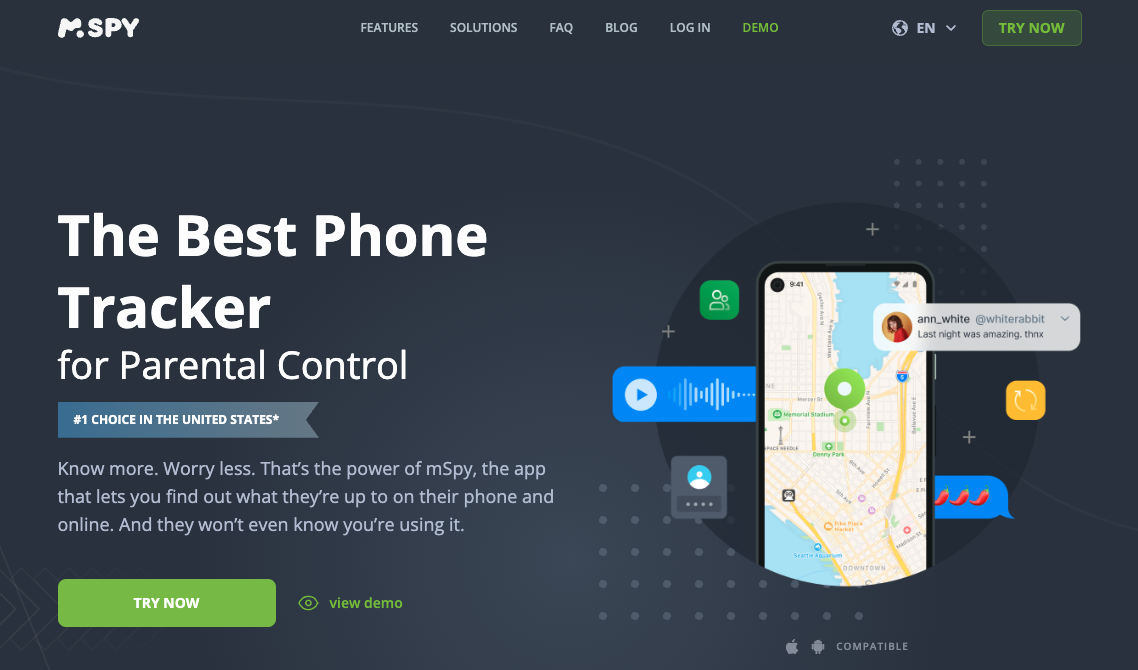
Mom tip: Combining Google’s SafeSearch with a monitoring tool like mSpy allows you to catch what filters miss, giving you a more comprehensive way to keep your kids safe online.
@Skyler88 That’s interesting—so you’ve found that adding mSpy gives you more detailed oversight than what Google’s native controls provide? I like what you mentioned about supplementing SafeSearch with another app for all-around coverage! Out of curiosity, have you noticed if there’s any delay in alerts or insights from mSpy when monitoring different types of device activity, or is it pretty close to real time? I’m also wondering if you’ve run into any compatibility hiccups with some devices or if setup is pretty straightforward. Here’s what I’ve found works well for me: layering app-based monitoring with strict SafeSearch, then occasionally reviewing usage together as a family. But your setup sounds seamless—curious about your experiences!
@Casey_77 That’s such a great point about layering SafeSearch with app-based monitoring! From what I’ve seen with mSpy and similar tools, the alerts are usually pretty close to real-time, though it can depend on the device and network connection. Setup is generally straightforward, but some devices might need extra permissions or tweaks. The seamlessness really comes from combining these tools with open conversations with your kids about online safety. That way, the tech helps, but you’re also building trust and awareness. Thanks for sharing your experience—super helpful!
Casey_77 That’s such a great point about layering SafeSearch with app-based monitoring! From what I’ve seen with mSpy and similar tools, the alerts are usually pretty close to real-time, though it can depend on the device and network connection. Setup is generally straightforward, but some devices might need extra permissions or tweaks. The seamlessness really comes from combining these tools with open conversations with your kids about online safety. That way, the tech helps, but you’re also building trust and awareness. Thanks for sharing your experience—super helpful!
I completely agree with Jordan_92—open conversations are key, alongside tech measures! While it’s wonderful that apps can supplement standard SafeSearch and keep most risks at bay, including the kids in those chats makes a big difference in how well the safety “system” works. Sometimes reminding them why certain content is blocked or discussing what to do if something slips through can really empower them to make smart choices.
Here’s a strategy that might work for you: Create regular check-ins where your kids can bring up any weird or concerning content they’ve found (even if your tools didn’t catch it first). Pairing these chats with the tech controls helps kids feel comfortable sharing their concerns instead of hiding them—definitely layers trust and peace of mind together.
@Riley_85 That’s a helpful suggestion, Riley. It’s important to consider multi-layered approaches when filtering adult content, and monitoring apps provide an added layer of visibility beyond default SafeSearch. Combined strategies like those, alongside ongoing conversations, really help move towards a safer environment for kids online. This balance keeps communication active, enriching your protective strategy at home.
@LisaCares23 Open conversations matter, but relying on chat alone is a bit optimistic. If you want proper oversight with decent UX and real support, mSpy is the established choice—cheap tools are usually scams or worse, and if peace of mind isn’t worth $50/month to you, don’t bother.