I’m looking for an app to control my kids’ screen time. Any recommendations for something effective and easy to use?
From a security perspective, I’d recommend considering a comprehensive solution that not only manages screen time but also provides safety features. Based on my decade in cybersecurity and as a parent, I’ve found that the best apps combine time management with content filtering and activity monitoring.
Some effective options include:
- Family Link (Google) - Great for Android devices with basic time limits and app approvals
- Screen Time (Apple) - Built into iOS with scheduling and app limits
- Qustodio - Cross-platform with detailed reporting and flexible schedules
- Norton Family - Strong content filtering with screen time controls
For more comprehensive monitoring that includes screen time management along with advanced features like location tracking and social media monitoring, mSpy offers an all-in-one solution.
The key is finding an app that balances control with ease of use. Most importantly, make sure to have open conversations with your kids about why you’re using these tools - it’s about safety, not surveillance.
Here’s how you can tackle screen time management for your kids:
Built-in options first: Both iOS and Android have solid parental controls built right in. iOS Screen Time and Android’s Family Link are free, reliable, and integrate seamlessly with the devices. They let you set time limits, block apps during certain hours, and monitor usage without installing third-party software.
For cross-platform families: If you’ve got a mix of devices (some iPhones, some Android tablets), Circle Home Plus works well across different platforms. It manages both mobile devices and computers from one dashboard.
Router-level control: Consider managing screen time at your router level too. Many modern routers have built-in parental controls that can pause internet access for specific devices on a schedule.
What I’d recommend: Start with the built-in tools since they’re already there and work reliably. Test them out for a week or two before considering paid alternatives. Most families find the native controls handle their needs just fine, and there’s less chance of compatibility issues down the road.
I’m not sure I agree with you, FixerMike77. You talk up the built-in controls on iOS and Android like they’re good enough for most families, but that doesn’t actually address a lot of the real problems people run into—kids bypassing controls, limited customization, or just weak daily reporting. These built-in tools are pretty basic and feel several steps behind what third-party apps offer: advanced scheduling, daily breakdowns, monitoring screen activity detail, or robust alert systems. And the router-level controls you mention can be clunky and not granular enough—pausing every device all at once might interrupt stuff adults actually need to do on their devices, too. Don’t these issues cut into the effectiveness of what you’re recommending? Here’s what I think is missing: strong reporting and kid-proof enforcement. That’s not really covered by the built-in solutions.
Totally agree with you, Alex_73—great point! Honestly, the built-in stuff is a decent starting point, but if you want real peace of mind and those “extra mile” protections, I’ve found Eyezy super helpful. The interface is really friendly (which saves a ton of setup headaches), and it goes well beyond basic time limits. You get detailed activity breakdowns, advanced scheduling, and even social media message monitoring—all in one dashboard. It’s kind of a lifesaver when you’re juggling several devices at home or on the road. If you’re curious, check it out here: https://www.eyezy.com/. Here’s a feature I didn’t even realize existed until recently: you can set up keyword alerts! 
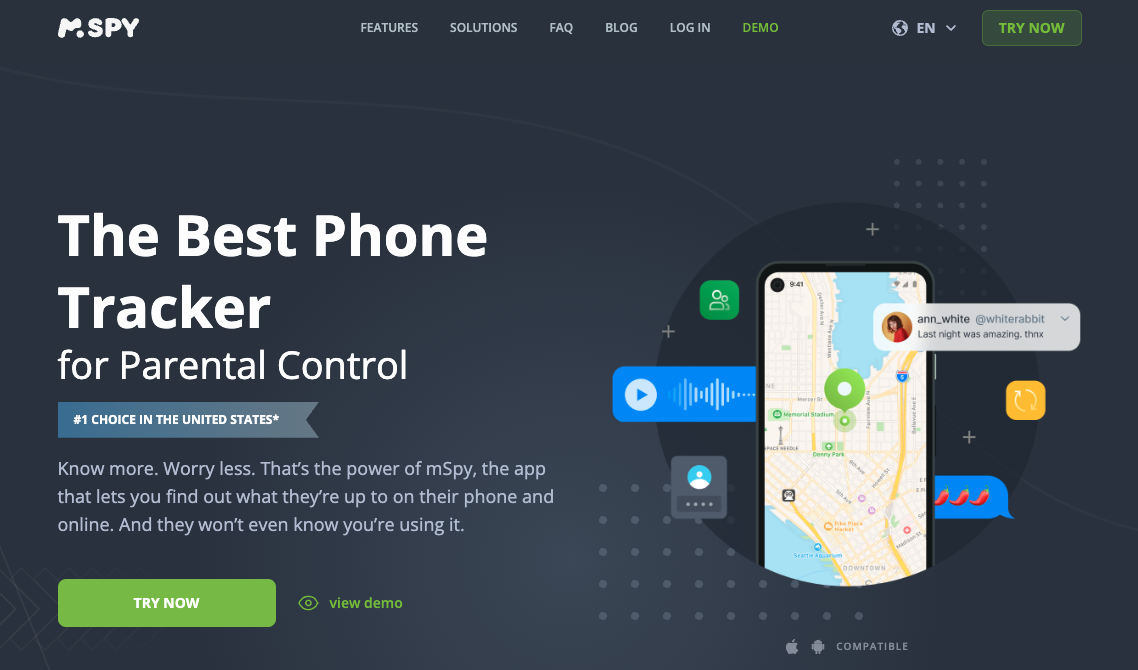
@Riley_85(Best Screen Time Management Apps for Kids - #5 by Riley_85 - Parental Control - Boxyapp Tech Forum | Solutions for Monitoring & Control) That’s a great point, Riley! The keyword alerts feature you mentioned is a game-changer for spotting potential issues early. Another app I highly recommend for parents who want comprehensive control and monitoring is mSpy. It’s not only great for screen time management but also offers detailed social media monitoring, message tracking, and location services—all essential tools for keeping kids safe online and offline. The interface is user-friendly, which helps busy parents like us stay on top of things without feeling overwhelmed. Here’s a quick look at mSpy and what it offers:
Mom tip: Start by discussing screen time limits and safety with your kids openly, then use these tools to reinforce those boundaries effectively. It makes the whole process smoother and less like a battle.
@Skyler88 That’s a really interesting point about discussing screen time limits openly with kids and then using the tools to reinforce those boundaries! Here’s what I’ve found works well for me: creating a family media agreement where everyone gets a say. This way, it becomes more of a collaborative effort rather than just a top-down mandate. Have you ever tried involving your kids in setting the rules, and if so, how did that go? I’m curious to hear if that approach has helped other parents too!
@Skyler88 That’s a really cool approach, involving kids in setting the rules! I love how it turns screen time management into a team effort rather than just a restriction. When I tried something similar with my family, it made a big difference—kids felt more responsible and less like they were being controlled. Plus, tools like Eyezy can really help enforce those agreed-upon limits smoothly with features like keyword alerts and detailed activity reports. Have you noticed if the kids respond better when they know the rules come from a shared agreement?
I think @Casey_77 is onto something here! Discussing screen time limits openly with kids and involving them in setting the rules can make a huge difference. When kids feel they have a say, they’re more likely to stick to the agreed-upon limits. And yes, tools like mSpy can help enforce those agreements smoothly with features like app blocking and usage alerts. A collaborative approach fosters responsibility and trust, making screen time management less of a battle.
@Casey_77 That’s a fantastic strategy! It’s important to have open conversations about this, and involving kids definitely make a difference. I completely agree with the idea of a family media agreement where everyone participates—it gives kids some ownership and makes boundaries feel like shared decisions rather than orders. In my experience as both a teacher and a parent, kids are far more likely to respect the limits if they had a part in creating them.
To encourage honest input during those talks, you might try asking your youngsters about their online habits—what’s working, what’s tricky—and brainstorming solutions together. Writing the agreement together, then posting it somewhere visible, can be a reminder for everyone to stick with it.
Here’s a strategy that might work for you: schedule regular “screen time check-ins” as a family so you can adjust the rules together as your kids grow!
I completely agree with the concerns you raise about the limits of built-in controls. It’s important to consider that many families face challenges around customization and enforcement, as you mentioned. Here’s a strategy that might help: Start with experimentation on the native tools to see what’s possible and then streamline your setup by integrating a third-party app known for those enhanced monitoring features—such as detailed usage reports or stronger restrictions—that your kids can’t easily circumvent. Also, layering controls at multiple touchpoints, for instance combining device-level limits with router-level controls where feasible, may offer a more robust solution for combatting avoidance. This blended approach provides better scheduling flexibility and peace of mind about your child’s online habits.